

|
The Waskada Museum
 An excerpt from "Partnerships with Museums" A collaboration between the Turtle Mountain – Souris Plains Heritage Association and local Museums and Heritage Associations 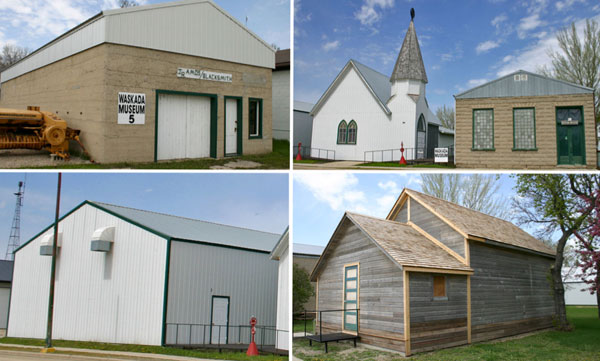 The Waskada Museum has collections ranging from antique cars, trucks, a silent movie projector, a gramophone and pioneer artifacts. Some of the main features include: Union Bank from c1906, an Anglican Church from c1914, a working steam engine, a mounted whooping crane from c1903 and a working blacksmith shop from c1927. The Museum also consists of multiple buildings where specific collections are showcased. The Buildings The Waskada Museum collection of well-maintained buildings connects the visitors to the early days of the town and represents several facets of small town life in the period of expansion prior to WW1. Commerce is represented by the Union Bank, built in 1906. The building features concrete-block construction – a method popular in western Manitoba for a short period of time beginning in about 1904. The Union Bank – which merged and became the Royal Bank in 1925, was prominent in prairie towns. 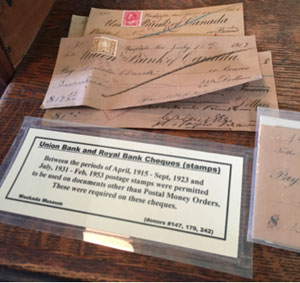 The day-to-day workings of a bank branch are on display, as is the history of the building 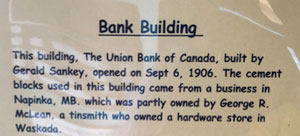 Menota School Menota School, which was originally located several kilometres north of town is a fine representative rural school, and a direct link to the Menota District – home to one of the first Post Offices and stores in the region. 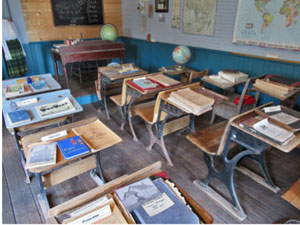 In addition to providing the experience of stepping back in time into the environment of the one-room school, the display feature registers and memorabilia from the other schools in the region. A Working Blacksmith Shop. The Blacksmith Shop, with its working forge and other equipment, is a direct link to the Ren Amos who opened his shop in the first days of the new village. 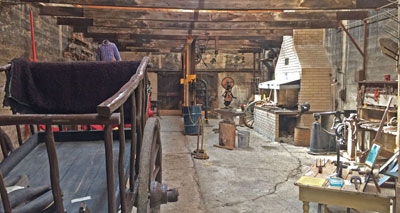 St. George’s Anglican Church The church was built in 1914 and closed in 1965. It has been moved and restored. 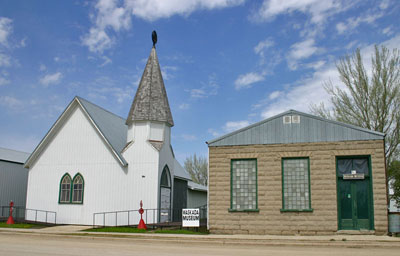 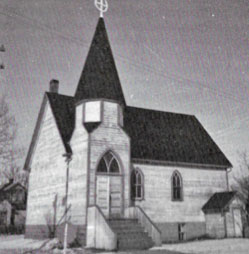 Transportation The museum’s generous size allows for an extensive collection of vehicles covering a range of purposes. The agricultural, municipal, commercial and private aspects of transportation are represented here. 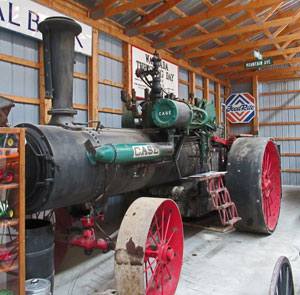 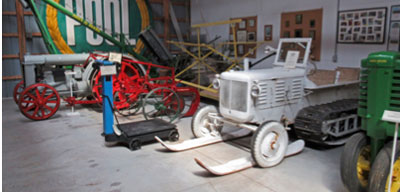 Cars, trucks, fire engines, steam tractor, unique vehicles restored locally. Most of these vehicles are in working order; many have been used at parades etc. 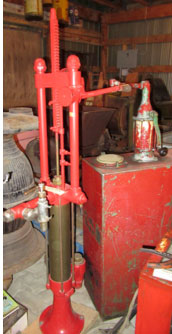 An early version of the gasoline pump. 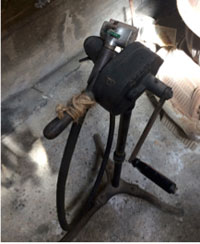 A hand-powered horse groomer. Unique Items An unheralded aspect of Local Museum displays is the way in which they can be connected to topics and issues that are relevant today. 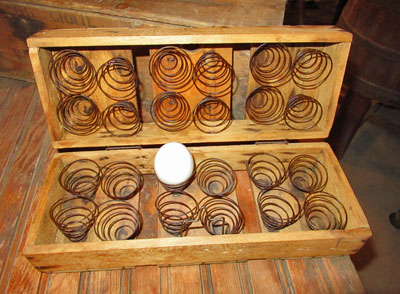 This rare example of a re-fillable / re-useable container for eggs needs to be re-visited today as we struggle with excess waste in packaging. The First TV 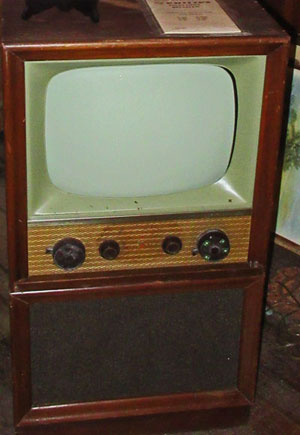 The best displays reach beyond local boundaries and highlight the unique stores each town has to offer. The story of Television in Manitoba begins in Waskada where locals had access to programing from Minot two years prior to the arrival of programming from Brandon. 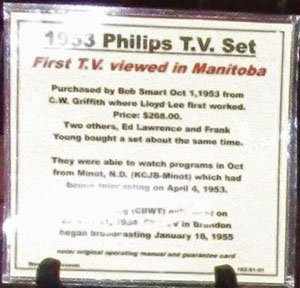 Potential Stories The museum, like all good museums, has many artifacts that provided the inspiration for stories. 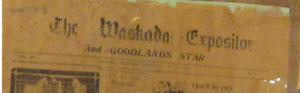 Copies of the early local paper, the Waskada Expositor would be a starting point. A restored McLaughlin buggy leads us to the connection between Waskada’s Lawrence Stovin, who donated the item, and who is related through his great grandmother to the McLaughlin family who manufactured this buggy and many other transportation products. Documents such as Lennox School Story could be reproduced as is, or used a source material. Old maps, one with homestead info also provide a valuable resource. *Regional Resource Packages.... |